
Daily Yoga & Stretching for Complete Fitness
Discover how consistent daily yoga and stretching practices transform your body, enhance flexibility, build strength, and improve your overall well-being through evidence-based techniques.
Core Benefits of Consistent Stretching
Increased Strength
Daily yoga practice builds functional strength across all major muscle groups. Poses like plank, warrior sequences, and arm balances engage your core, shoulders, arms, and legs simultaneously, creating lean, toned muscle without heavy weights.
Enhanced Flexibility
Stretching lengthens your muscle fibres and increases your range of motion. Over weeks of consistent practice, you'll notice improved mobility in your hips, hamstrings, shoulders, and spine—movements that once felt stiff become fluid and natural.
Mental Clarity
Yoga combines physical movement with conscious breathing, activating your parasympathetic nervous system. This calms your mind, reduces cortisol levels, and improves focus. Many practitioners report better sleep quality and reduced anxiety within the first week.
Better Circulation
Flowing yoga sequences elevate your heart rate and promote blood flow throughout your body. Improved circulation delivers oxygen and nutrients to muscles and organs more efficiently, enhancing endurance, recovery, and overall cardiovascular health.
Injury Prevention
Balanced yoga practice strengthens stabiliser muscles, improves posture, and corrects muscle imbalances. This protective foundation reduces your risk of common injuries from sitting, repetitive strain, or high-impact exercise.
Pain Relief
Gentle stretching and targeted poses may help manage feelings of tension in your neck, shoulders, lower back, and hips. Regular practice reduces muscle soreness, alleviates stiffness, and improves posture—addressing root causes rather than just symptoms.
Why Daily Practice Matters
Yoga is not a one-time workout—it's a cumulative practice. Your body responds to consistency. Daily movement, even for 15-20 minutes, creates lasting neurological and physical changes that weekend sessions cannot match.
Habit Formation
Regular repetition embeds yoga into your daily routine within 3-4 weeks, making it feel as natural as brushing your teeth rather than a chore to force.
Progressive Gains
Each session builds on the last. Your muscles remember previous stretches, your balance improves, and more challenging poses become accessible as your foundation strengthens.
Nervous System Rebalancing
Consistent breathing and mindfulness practices reset your autonomic nervous system, leading to sustained stress reduction, better sleep, and improved emotional resilience.
Body Awareness
Daily practice heightens your proprioception—your sense of where your body is in space. This translates to better posture, improved athletic performance, and reduced injury risk in all activities.

Your 7-Day Transformation Journey
Foundation & Awareness
Begin with gentle, basic poses: child's pose, cat-cow stretches, and simple forward folds. Focus on connecting with your breath. Your body adapts to the new stimulus, and you'll notice initial looseness in tight areas like hip flexors and hamstrings.
Building Strength
Introduce warrior poses, plank variations, and sun salutations. You'll feel mild muscle soreness (which indicates muscle activation, not injury). Your breathing becomes more controlled, and mental clarity improves noticeably during and after practice.
Integration & Momentum
Combine strength, flexibility, and balance work. You'll perform poses with noticeably better form, feel less stiffness, and experience improved energy levels. Sleep quality often deepens by day seven, and you'll feel momentum to continue beyond the first week.
What to Expect Beyond Week One
By week two, range of motion visibly increases—you can reach further, sit deeper into stretches. By week three, strength gains emerge as balance improves and planks feel less taxing. By week four, your body has integrated yoga into its normal routine, and you'll miss your practice if you skip a day. Long-term (8+ weeks), flexibility improvements become permanent, posture transforms, and the mental benefits of reduced stress and improved focus become your new baseline.
Detailed Feature Comparison
| Feature | Benefits | Best For | Duration |
|---|---|---|---|
| Vinyasa Flow | Cardiovascular endurance, strength, heat production | Building fitness, dynamic flexibility | 45–60 minutes |
| Hatha Yoga | Alignment precision, mind-body connection | Beginners, injury recovery | 60–90 minutes |
| Yin Yoga | Deep tissue flexibility, joint health, parasympathetic calm | Stress relief, chronic tension | 45–75 minutes |
| Power Yoga | Explosive strength, athletic conditioning | Athletes, advanced practitioners | 45–60 minutes |
| Restorative Yoga | Nervous system reset, recovery, gentle opening | Post-injury, high-stress periods | 30–45 minutes |
| Dynamic Stretching | Pre-workout mobility, circulation boost | Warm-up, athletic prep | 10–20 minutes |
Malefloorstrength Approach to Daily Practice
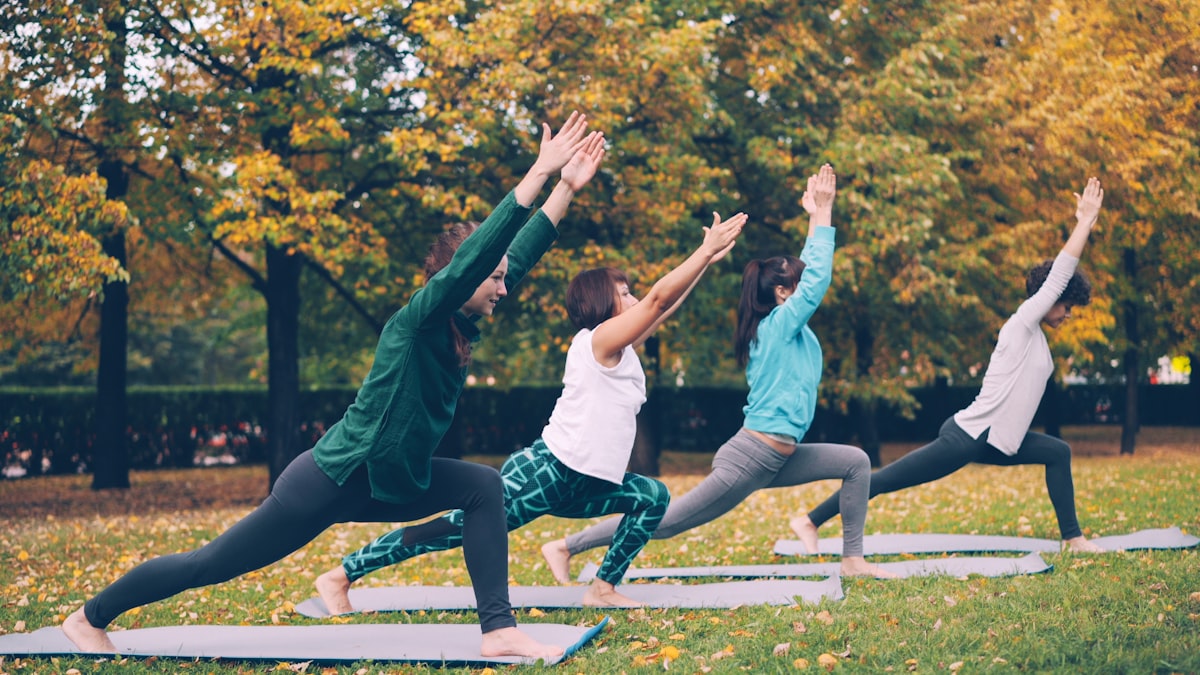
At Malefloorstrength, we specialise in floor-based yoga and stretching routines designed for real-world fitness. Our philosophy centres on sustainable, achievable daily practices that don't require gym equipment, expensive memberships, or fancy studios—just you, a mat, and 20 minutes.
Evidence-Based Progressions
Our routines follow biomechanical principles, progressing logically from foundational poses to more complex variations as your strength and flexibility improve.
Accessibility for All Levels
Whether you're a complete beginner or returning to practice after years away, our content meets you where you are with modifications and clear cueing.
Consistency Over Perfection
We prioritise realistic, sustainable routines you can actually stick to daily—not extreme, exhausting sessions that lead to burnout.
Community Support
Join our community of practitioners across the UK who share their experiences, ask questions, and celebrate progress together in a judgement-free space.
Discover how to get started with our educational content and explore our available resources by browsing our full library.
Real Stories from Our Community
I started daily yoga three months ago because my lower back was constantly sore from desk work. Within the first week, I noticed less stiffness in the mornings. Now I can touch my toes, my posture is noticeably better, and my back pain is almost gone. The best part? I actually look forward to my practice every morning.
James, Liverpool
As someone who travels constantly for work, I was sceptical that 20 minutes of daily stretching could make a difference. I was wrong. The consistency has transformed not just my flexibility but my overall stress levels and sleep. Malefloorstrength's routines are perfect—no equipment needed, fits my schedule, and genuinely effective.
Sarah, Manchester
I had a shoulder injury and physical therapy felt clinical. Daily yoga with proper progressions helped me regain strength and range of motion in a way that felt healing rather than punishing. I'm back to playing tennis and stronger than before the injury.
Michael, Bristol
The flexibility improvements are real, but what surprised me most was the mental benefit. My anxiety decreased noticeably, and I sleep deeper than I have in years. I credit the daily breathwork and mindfulness woven into the practice—it's not just physical.
Eleanor, Birmingham
Frequently Asked Questions
Consistency beats duration. Even 15–20 minutes daily produces better results than sporadic 60-minute sessions. Beginners should aim for 20–30 minutes, which includes warm-up, main practice, and cool-down. As you progress, you can extend to 45–60 minutes if desired, but maintaining daily practice is more important than length. Many practitioners find that morning routines, even brief ones, set a positive tone for the entire day.
Yes—in fact, people with tight muscles benefit most from regular practice. Yoga is not about being flexible; it's about *becoming* more flexible through consistent effort. If you can't touch your toes on day one, that's exactly why you should start. Within weeks of daily practice, most people see dramatic improvements. The key is meeting yourself where you are and using modifications. Our routines include alternatives for every pose so you can always participate safely and effectively at your level.
Absolutely, but with mindfulness. Gentle yoga and targeted stretching often complement recovery when done correctly. However, if you have an acute injury, consult your healthcare provider or physiotherapist first to understand safe ranges of motion. Chronic conditions like arthritis, lower back pain, or neck tension often improve with regular, gentle practice—our restorative and beginner routines are designed specifically for this. Pain should never increase; if it does, modify or skip that movement.
Minimal to none. A yoga mat (or even a towel) provides cushioning and grip. That's genuinely all you need to begin. As you progress, optional items like yoga blocks, straps, or bolsters can help with alignment and support in certain poses, but they're not essential. Our routines work on any flat surface—at home, outdoors, in hotel rooms—which is why floor-based yoga is so accessible and practical.
Both have benefits. Morning practices energise your body, improve focus, and set a positive mindset for the day. Evening stretches calm your nervous system, ease tension built up during the day, and promote better sleep. The best time is whenever you'll actually do it consistently. If mornings fit your schedule, start then. If evenings work better, that's equally valid. Some advanced practitioners do a brief morning routine and a longer evening session. Consistency trumps timing.
Yes, but timescale varies. Flexibility improvements are usually noticeable within 1–2 weeks of daily practice. Strength gains take 3–4 weeks. Postural changes and mental clarity often appear within days. Long-term (8+ weeks), people report visible muscle definition, significantly improved posture, and permanent flexibility gains. The pace depends on your starting point, consistency, and effort—beginners often see rapid early progress as their nervous system adapts to new movement patterns.
Ready to Transform Your Strength?
Join thousands of athletes and fitness enthusiasts who've discovered their true potential with Malefloorstrength.
Frequently Asked Questions
Everything you need to know about floor strength training
Do I need equipment?
Is this suitable for beginners?
How long are the workouts?
Can I combine this with other training?
What if I have injuries or limitations?
Is there a money-back guarantee?
Yes. We're confident in our methods. If you're not satisfied with your results after 30 days of consistent practice, we offer a full refund—no questions asked.
Your Transformation Starts Today
Join the Malefloorstrength community and experience the power of functional, sustainable strength training. Get instant access to programs, video guidance, and ongoing support.
Your information is secure and never shared. Unsubscribe anytime.